
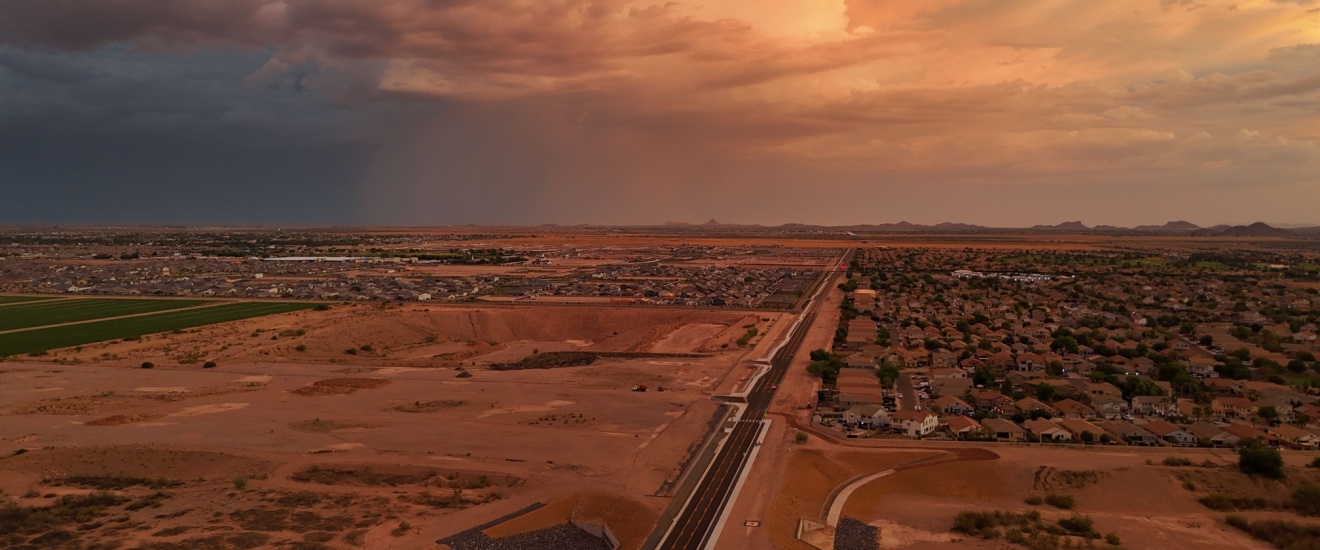
Arizona’s monsoon season runs from mid-June through late September, and it transforms the pest environment in the East Valley in ways that catch many homeowners off guard. The combination of sudden moisture, high humidity, and warm temperatures that monsoon storms deliver creates conditions that trigger pest activity across multiple species simultaneously. For homeowners in Gilbert, Mesa, and Chandler, understanding how monsoon season affects local pests helps explain why pest problems often intensify during this period—and what to do about it.
What Monsoon Season Does to the Desert Environment
Before monsoon season, the East Valley is hot and dry. Insects and other arthropods have adapted to survive these conditions, but many species are suppressed by extreme heat and lack of moisture. When monsoon storms arrive—bringing sudden heavy rain, high humidity, and a temporary drop in temperature—it triggers a biological response across a wide range of species.
Soil that has been dry and compact for months absorbs moisture rapidly. Insects that have been dormant or inactive become mobile. Flying insects emerge in large numbers. Predators that feed on insects follow the activity surge. The effect is rapid and noticeable—homeowners who had minimal pest activity in June frequently see a significant increase within days of the first monsoon storms.
Scorpions
Monsoon season is one of the most active periods for scorpions in the East Valley. Moisture triggers cricket and insect emergence, which brings scorpions out to hunt. Rain also saturates the soil in areas where scorpions have been sheltering, displacing them and pushing them toward drier ground—which often means toward structures.
Scorpion encounters inside East Valley homes spike during and immediately after monsoon storms. Scorpions that were content to remain in yard harborage during dry conditions are motivated to move when their shelter becomes wet. Entry points that would not have been used during dry months become active during monsoon season.
Roof Rats and Rodents
Monsoon rains accelerate fruit production and drop on citrus trees throughout the East Valley, which means the food supply that sustains roof rat populations increases significantly during and after the monsoon season. Rats that have been foraging across a wider area during dry months concentrate activity on properties with abundant fallen fruit during the monsoon period.
Ants
Flying ant swarms are a consistent monsoon phenomenon in Arizona. Many ant species in the East Valley time their mating flights to coincide with the arrival of monsoon moisture—the humidity and temperature conditions that follow the first significant storms trigger mass emergence of winged reproductives. Homeowners who see large numbers of flying ants during or after a monsoon storm are witnessing a mating swarm rather than a structural infestation, but it indicates that established colonies are present nearby.
Ground-nesting ant colonies also relocate during monsoon season when saturated soil floods their galleries. Ants displaced by flooding move toward higher, drier ground—including into structures.
Cockroaches
American cockroaches and Turkestan cockroaches become significantly more active during monsoon season. Moisture activates their food sources and creates the humid conditions they prefer. Outdoor cockroach populations that remain in yard areas during dry months move more aggressively toward structures during wet periods, and indoor encounters increase noticeably during and after monsoon storms.
Termites
Subterranean termites in Arizona time their swarms to coincide with monsoon season. The first significant monsoon rains trigger termite swarming activity—winged reproductives emerge from established colonies to mate and establish new colonies. Homeowners who observe swarms of winged insects emerging from the soil or from wood structures during monsoon season should have their property inspected promptly.
Preparing for Monsoon Season Pest Activity
The most practical approach for East Valley homeowners is to have professional pest treatment in place before monsoon season begins rather than responding to problems after they develop. Treatment applied in May or early June—before the first storms arrive—provides a barrier that is already working when monsoon conditions trigger the surge in pest activity.
Veterans Choice Pest Solutions serves Gilbert, Mesa, Chandler, and the surrounding East Valley. Contact us for a free quote and get ahead of monsoon season pest activity before it starts.